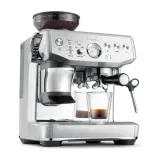
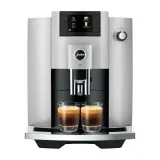
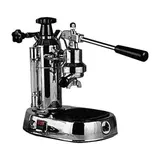
9.5/10
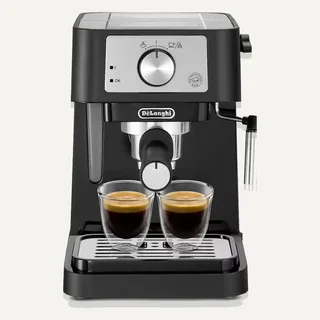
De'Longhi
Stilosa
$149.95delonghi.com
Single boiler
2-yr warranty
8 single boiler espresso machines compared on boiler, pump, PID, portafilter, warranty, and returns. The top score with a store button goes to the De'Longhi Stilosa, $149.95. Read the full summary ↓
 By Kirill Gissa · Published · Prices checked October 16, 2026
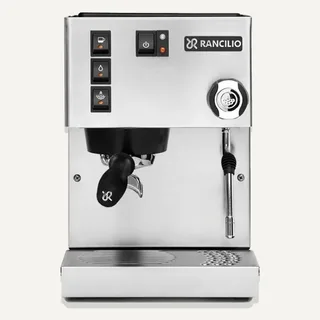
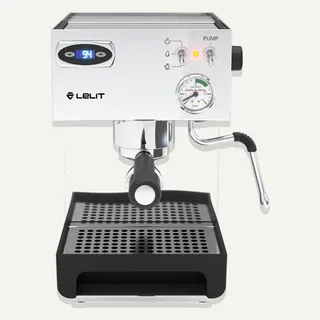
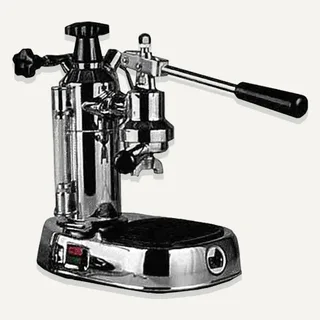
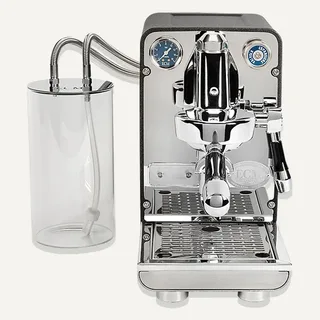
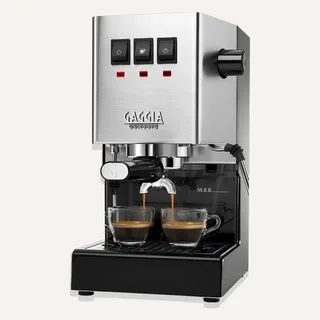
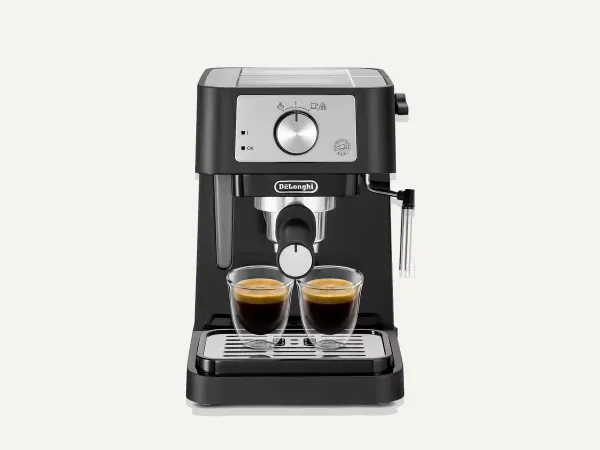
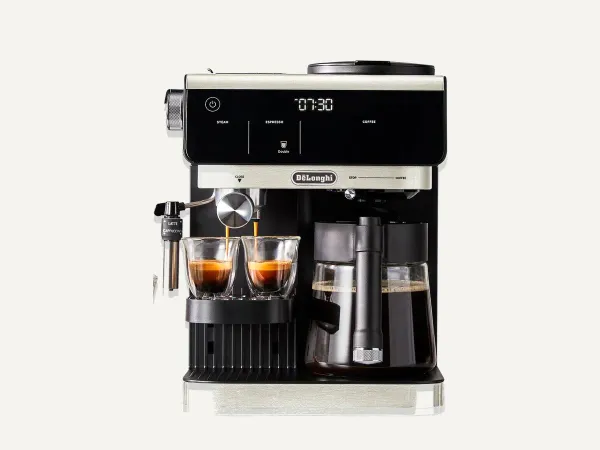
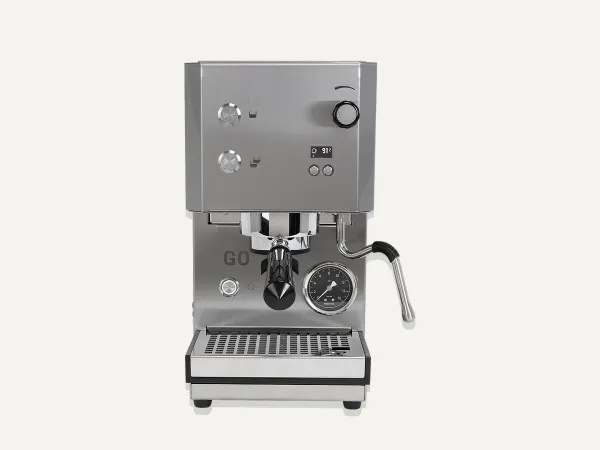
| Model | Price | Boiler | Pump | PID | Portafilter | Grinder | Warm-up | Warranty | Returns |
|---|---|---|---|---|---|---|---|---|---|
| De'Longhi Stilosa | $149.95 | Single boiler | Not stated | Not stated | Not stated | Separate | Not stated | 2 years | 30 days |
| De'Longhi All-in-One Combination | $319.95 | Single boiler | Not stated | Not stated | Not stated | Separate | Not stated | 2 years | 30 days |
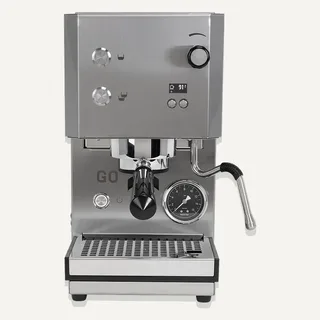
| Profitec GO | $1,199 | Single boiler | Vibratory | Yes | 58 mm | Separate | 7 min claimed | 3 years | 30 days |
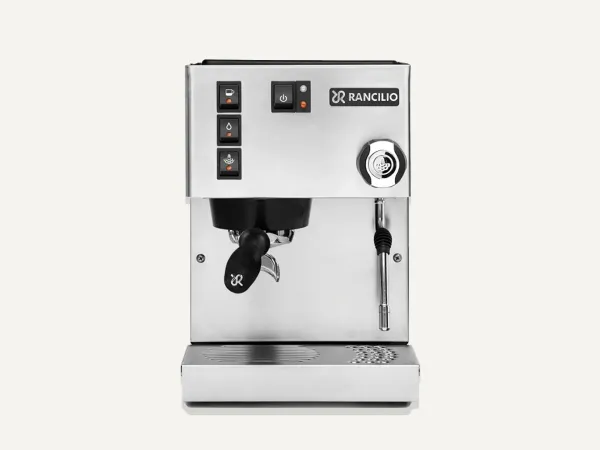
| Rancilio Silvia | $995 | Single boiler | Vibratory | No | 58 mm | Separate | Not stated | 2 years | Not stated |
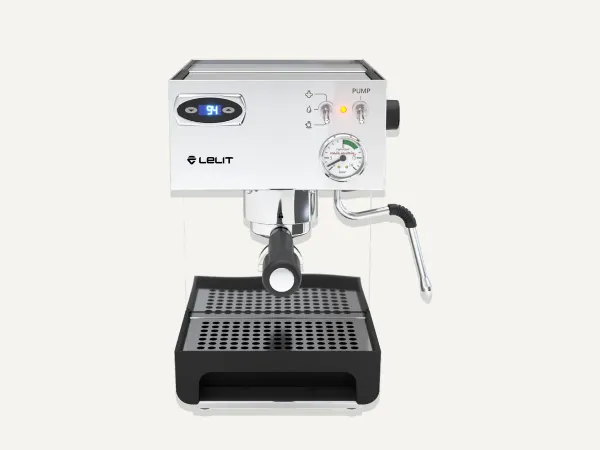
| Lelit Anna | $599.95 | Single boiler | Not stated | Yes | 57 mm | Separate | Not stated | 1 year | Not stated |
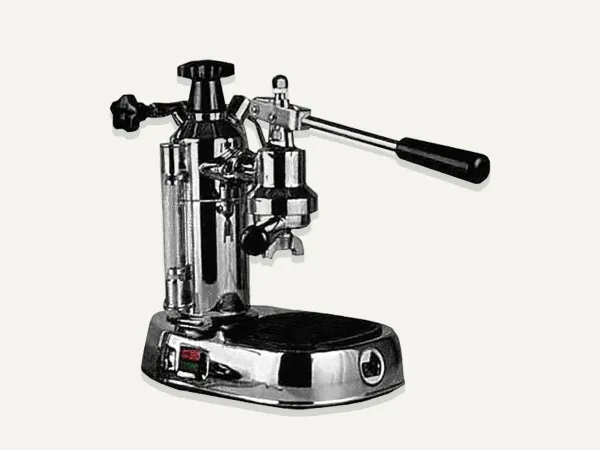
| La Pavoni Europiccola | $1,108 | Single boiler | Manual | No | Not stated | Separate | 6 min claimed | Not stated | Not stated |
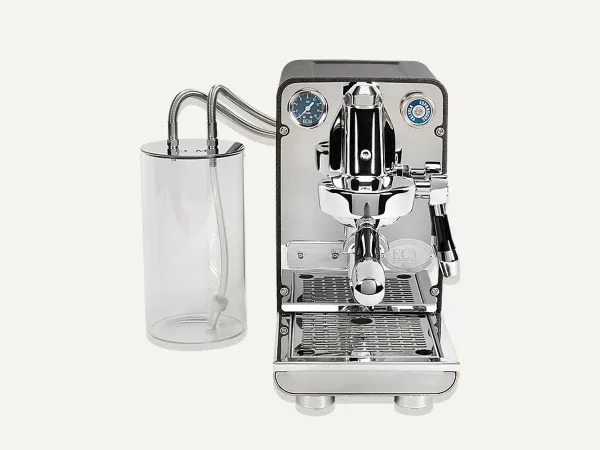
| ECM Puristika | $1,659 | Single boiler | Vibratory | Yes | Not stated | Separate | Not stated | Not stated | Not stated |
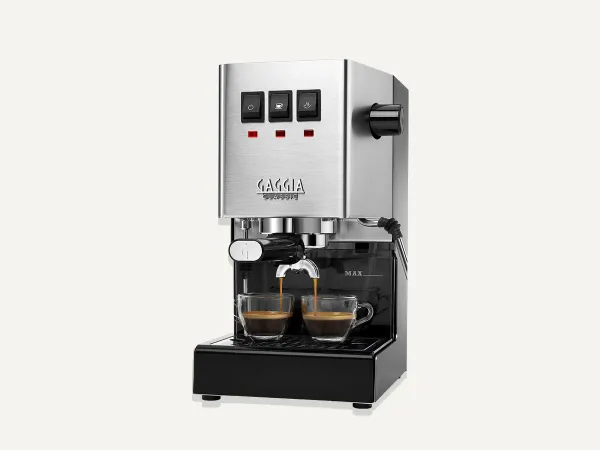
| Gaggia Classic Evo Pro | $549 | Single boiler | Vibratory | No | 58 mm | Separate | Not stated | 1 year | Not stated |
We track 8 single boiler espresso machines. De'Longhi Stilosa has the highest score, 9.5/10, tied with 1 other model. 3 of 8 have PID temperature control. Prices run $149.95 to $1,659, checked Oct 16, 2026.
Best for: straight espresso, or one milk drink at a time if you don't mind a short wait between the shot and the steam. The top score goes to the De'Longhi Stilosa, $149.95, tied with the De'Longhi All-in-One Combination; it's an entry machine, and De'Longhi doesn't publish its pump, temperature control or portafilter size. For a machine you can tune, the Profitec GO is the single boiler to look at first: PID, a 0.3 L brass boiler, a 58 mm group and a 3-year warranty from Clive Coffee. The Rancilio Silvia is the same layout without PID.
Skip if: you make several lattes in a row. A heat exchanger or a dual boiler steams while the shot runs; a single boiler can't.
One card per temperature setup, plus the lowest price; the Classic Evo Pro has no store button yet.
A single boiler does one job at a time. It holds water at brew temperature for the shot, then you flip a switch and wait while the same boiler heats up for steam; after steaming, you let it cool back down before the next shot. A heat exchanger keeps one boiler at steam temperature and heats brew water on its way through; a dual boiler has a separate boiler for each job.
What a single boiler buys you is simplicity and a reserve of hot water behind the shot, which an on-demand heater doesn't have. Boiler sizes on file: 0.3 L for the Profitec GO, 0.3 L for the Rancilio Silvia, 0.6 L for the La Pavoni Europiccola, and 0.75 L for the ECM Puristika; Gaggia doesn't publish a size for the Classic Evo Pro. If boiler and water-path materials matter to you, our plastic-free guide covers them. Prosumer machines cover the other two layouts in detail.
Three of the eight have PID (Profitec GO, Lelit Anna, and ECM Puristika); the Rancilio Silvia, La Pavoni Europiccola, and Gaggia Classic Evo Pro have none, and De'Longhi doesn't list temperature control for the Stilosa and All-in-One Combination. Without PID the heater runs off a thermostat or pressurestat, so the boiler swings around its set point and the shot temperature depends on when you start it. That's what "temperature surfing" means: without a PID, you time the shot to the heating light.
Timing can work. Whole Latte Love, a retailer that sells the Classic Evo Pro, logged 200 °F in the coffee (basket) with about 2 °F of variance over the shot on a Gaggia E24 (October 30, 2024, video); a store's test is a best case. A PID makes that the default instead of a habit; on the Profitec GO you set the temperature, and Profitec lists about 7 minutes to heat up in its fast heat-up mode.
The wait between the shot and the milk is the cost of a single boiler. In the one independent measurement we have, Coffee Kev timed a Lelit Anna going from brew to steam-ready in 1 minute 36 seconds (video, December 28, 2024).
Once the boiler is at steam temperature, the steaming itself is quick. Gail of Whole Latte Love, a retailer that sells the Classic Evo Pro, steamed 5 oz of milk from 42 °F to 142 °F in 24 seconds on video (October 30, 2024); that's a store's figure, so treat it as a best case.
Long-term Gaggia Classic owners on r/espresso report 5 and 6 years of use, often after adding a PID or a 9-bar spring (Jul–Sep 2026). Source: r/espresso threads.
We don't give step-by-step instructions for electrical mods: opening the housing can void the warranty, and Gaggia's is 1 year. If you'd rather not modify anything, a single boiler with PID from the factory, such as the Profitec GO, is the shortcut.
The Classic Evo Pro has: 4.3/5 from 3,200 ratings on Amazon (checked October 15, 2026). Amazon sorts the reviews by topic; these are the three with the highest share of negative mentions.
Leakage: 61 of 65 reviews that mention it are negative. Consistency: 47 of 65 reviews that mention it are negative. Durability: 82 of 130 reviews that mention it are negative. Consistency fits the temperature swings described above. The strongest topic is espresso quality: 190 of 214 reviews that mention it are positive. We didn't verify individual cases.
The three manuals disagree on scale. Gaggia's manual for the Classic says to descale every 2 months with its own descaling solution (p. 18). Profitec ties descaling of the GO to water hardness and tells you to use only Profitec's descaler, and to contact the dealer instead if scale has already built up. Rancilio's Silvia manual gives no descaling interval at all.
Backflushing differs too: the Silvia manual describes a backflush with detergent, while the Gaggia manual we used has no backflush section. Check which applies before you buy a cleaning kit.
By our score, the De'Longhi Stilosa (9.5/10, tied with the De'Longhi All-in-One Combination), though De'Longhi publishes few specs for it. For PID from the factory, look at the Profitec GO, with a 3-year warranty from Clive Coffee. If you're fine managing temperature by timing, the Rancilio Silvia has the same 0.3 L boiler size without PID.
A single boiler heats water for brewing and for steam in the same boiler, one after the other, so you wait between the shot and the milk. A double, or dual, boiler has one for each and can do both at once. Our dual boiler picks compare those.
Single boiler, heat exchanger and dual boiler. A single boiler brews or steams; a heat exchanger steams from one big boiler and heats brew water through a tube inside it; a dual boiler has two boilers. Machines without a boiler use an on-demand heater, such as a thermoblock.
In the one independent measurement we have, about a minute and a half: Coffee Kev measured 1 minute 36 seconds from brew to steam-ready on a Lelit Anna. The steaming itself is shorter: a retailer test on the Classic Evo Pro took 24 seconds for 5 oz of milk.
We ask 5 questions about each single boiler machine: is there authorized service in the US and a parts catalog; does the brand publish the boiler, pump, group, temperature control and warm-up time; how the price compares with the median for similar models; how long the warranty runs and whether returns are open for 30 days or more; what owners report, from reviews we read. Each answer is worth 1.5, 1.75 or 2 points, and the score out of 10 adds them up, so no single boiler machine scores below 7.5. Prices were checked on Oct 16, 2026. Read the full method.